
 Provider
The Role of Technology in Orthodontics
At our orthodontic clinics in Peabody and Newburyport, technology plays a role in almost everything we do.
It helps us take a detailed look at your teeth and bite so we can make an accurate diagnosis and create a treatment plan that is tailored to your specific needs and goals.
Technology also guides us as we carry out your treatment and allows us to make adjustments along the way to keep your care on track.
Throughout your orthodontic journey, you will see how we use these tools to explain your condition, show you your treatment plan, and track your progress.
Everything we do with technology is designed to make your experience clear, informed, and as comfortable as possible.
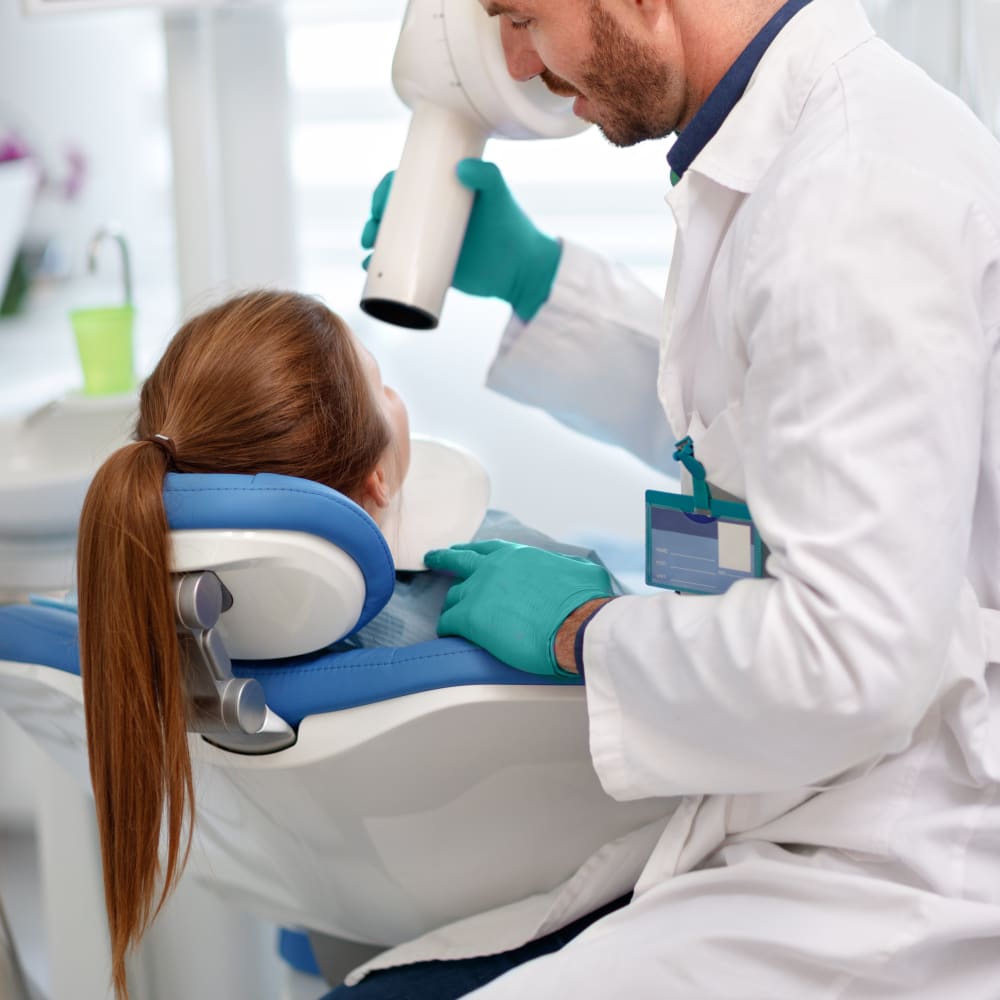
Digital X-rays
Digital X-ray technology uses digital sensors and a computer to produce detailed, high-quality internal images of your teeth and gums.
Digital X-rays allow your orthodontist to see the position of your teeth under the gums, as well as the surrounding bones, and to make a diagnosis of your orthodontic condition. They also help us identify things that may impact your orthodontic treatment, like developing tooth decay and previous dental restorations. All of this information is essential to diagnosis and treatment planning.
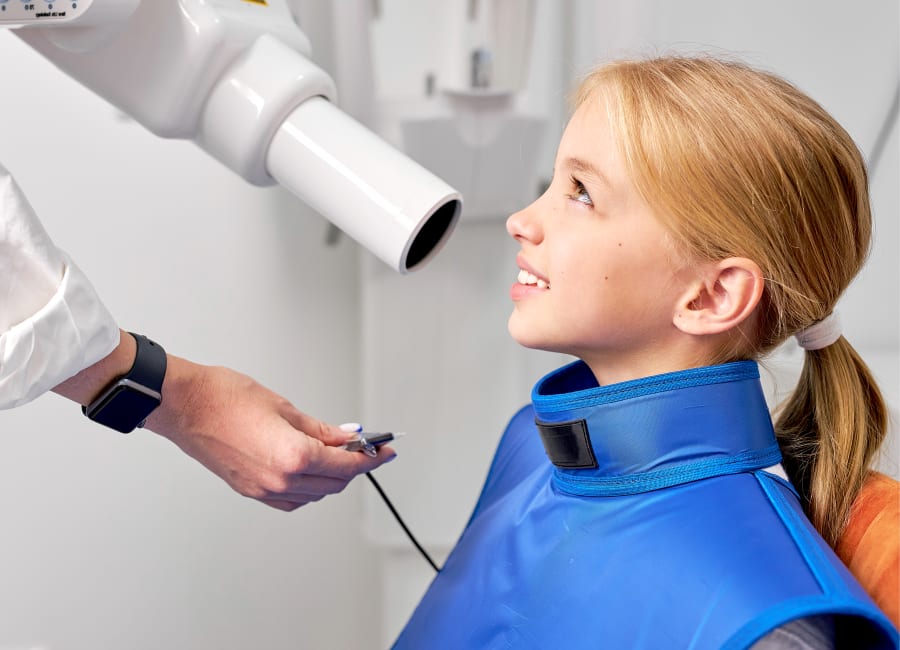
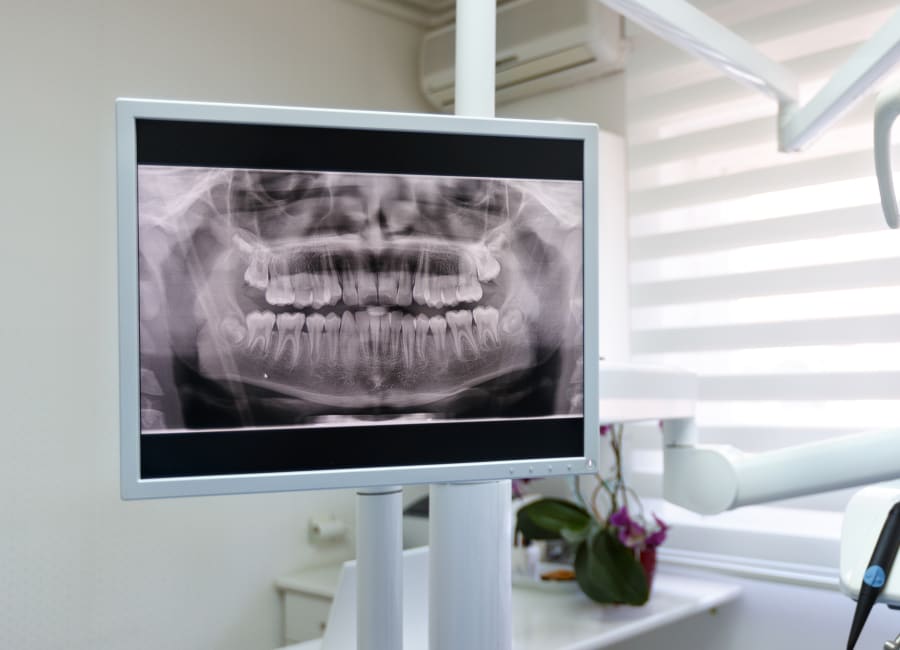
Panoramic X-rays
Panoramic X-ray technology lets your orthodontist capture a single image that shows all of the structures in your mouth. This includes your teeth, the upper and lower jaws, and the surrounding tissues.
Panoramic X-rays are very useful for checking which teeth are present, the shape and structure of each tooth, how teeth are erupting, and how they relate to each other in the jaws. These images give important information that helps your orthodontist plan and evaluate your treatment.
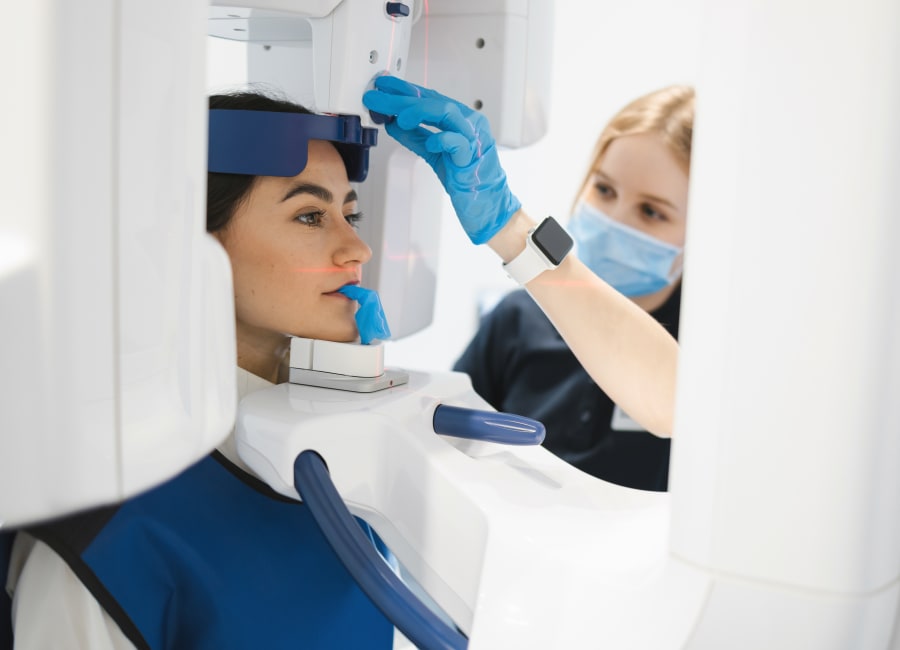
Cone Beam Computed Tomography (CBCT)
CBCT is an advanced type of imaging that uses specialized X-rays to create high-resolution three-dimensional images of the teeth, jaws, and surrounding tissues. With just one scan, it provides a complete view that allows your orthodontist to analyze and diagnose oral health conditions in detail.
The images from CBCT also help with more precise treatment planning, including evaluating your airway for issues such as snoring and sleep apnea.
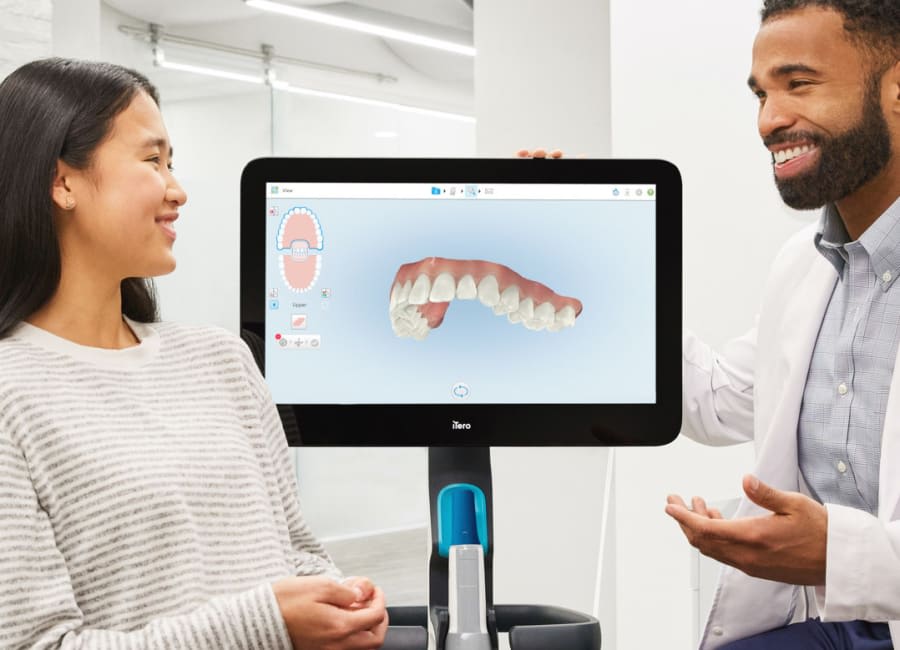
iTero™ Intraoral Scanner
The iTero intraoral scanner is a handheld device that creates highly detailed three-dimensional digital impressions of your teeth and gums without using messy impression materials. The process is simple and comfortable. You just open your mouth while your orthodontist moves the scanner around, capturing images in just a few minutes.
The system then produces a 3D model of your mouth that is displayed in real time on a touch screen, so you can see exactly what your teeth look like.